Deutsch
 Français
 Türkçe

Wednesday lunchtime, the counter is busy, and a supplier email lands with an unfamiliar question: what is your LUCID registration number? If you run a food business in Germany — a branch, a franchise site, a market stall — or you are planning the move into the German market, that little acronym eventually finds you. And since 12 August 2026 it arrives with a second question that did not exist before: is your logo on the cup? Here is what it actually means, told from the practice of a packaging manufacturer that answers this exact question every week. And first, an honest scope note: this is German law. It applies to businesses operating in Germany; if you only trade elsewhere, file it under useful background.
What LUCID is — and the trap hidden in pre-licensed packaging
Germany's Packaging Act (VerpackG) requires anyone placing packaging on the German market to do two separate things: pay licence fees into a recycling scheme, and register in the public packaging register called LUCID. For service packaging — cups, boxes and bags filled at the counter — the law allows a convenient shortcut: the wholesaler or manufacturer can pre-pay the licence, so the packaging arrives pre-licensed (vorlizenziert). The trap sits right behind that convenience: since 1 July 2022, food businesses using exclusively pre-licensed service packaging must still register in LUCID themselves. The payment can be delegated; the registration cannot. Licensing and registering are two different obligations, and only one of them travels up the supply chain.
Since 12 August 2026: with your logo on it, you are the producer
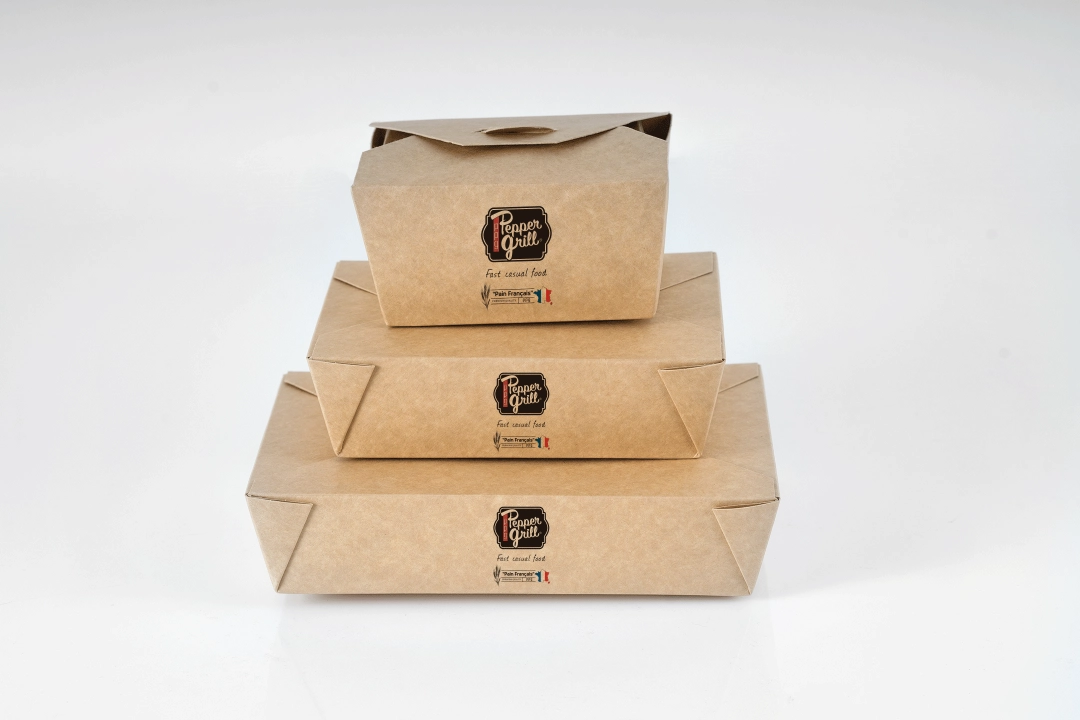
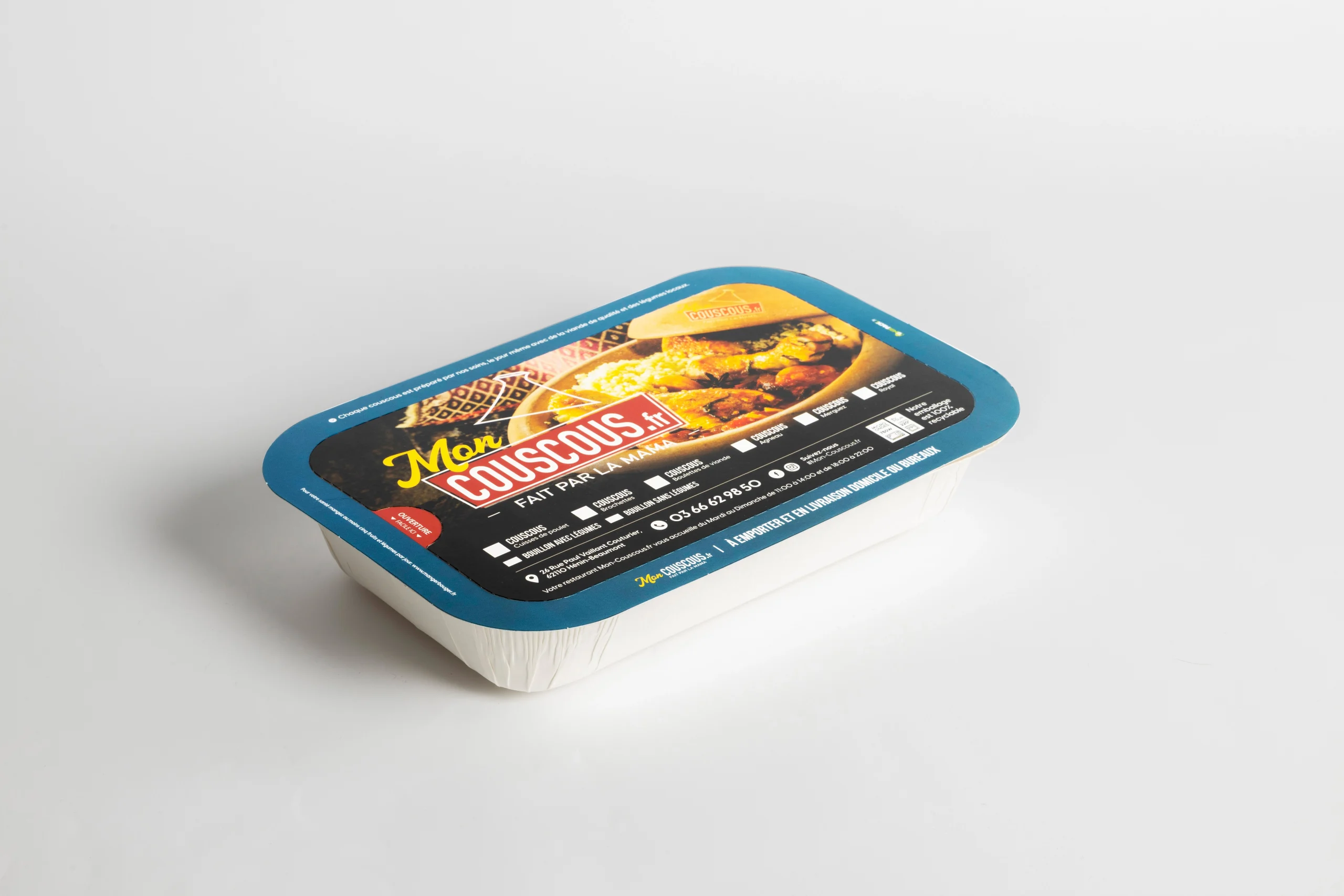
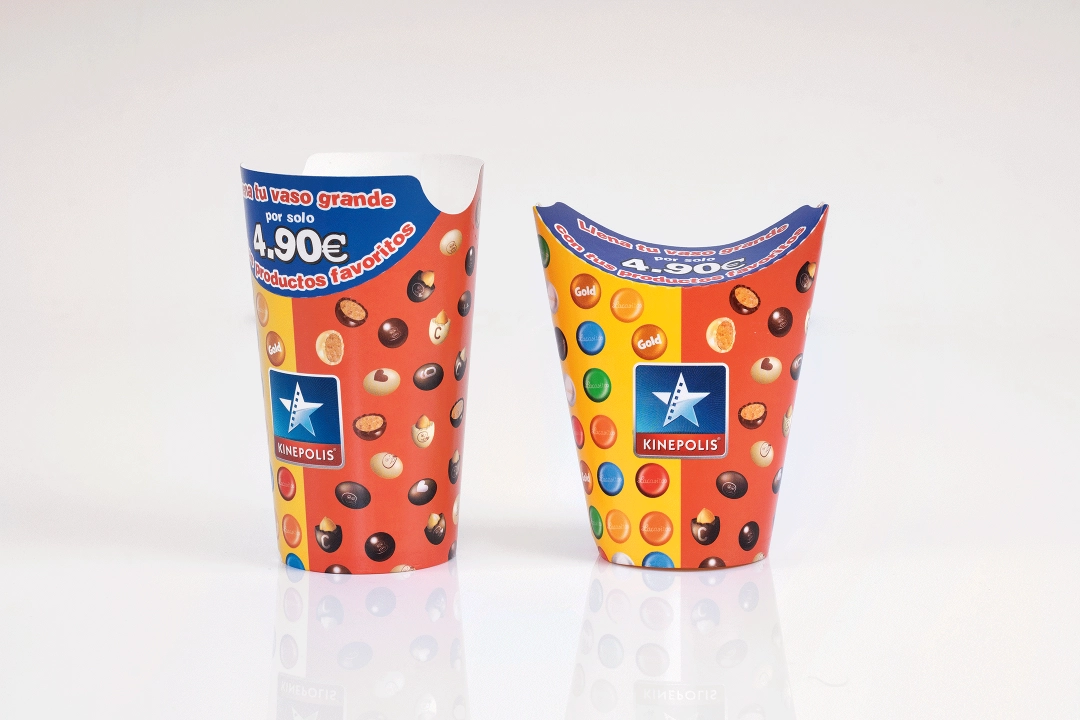
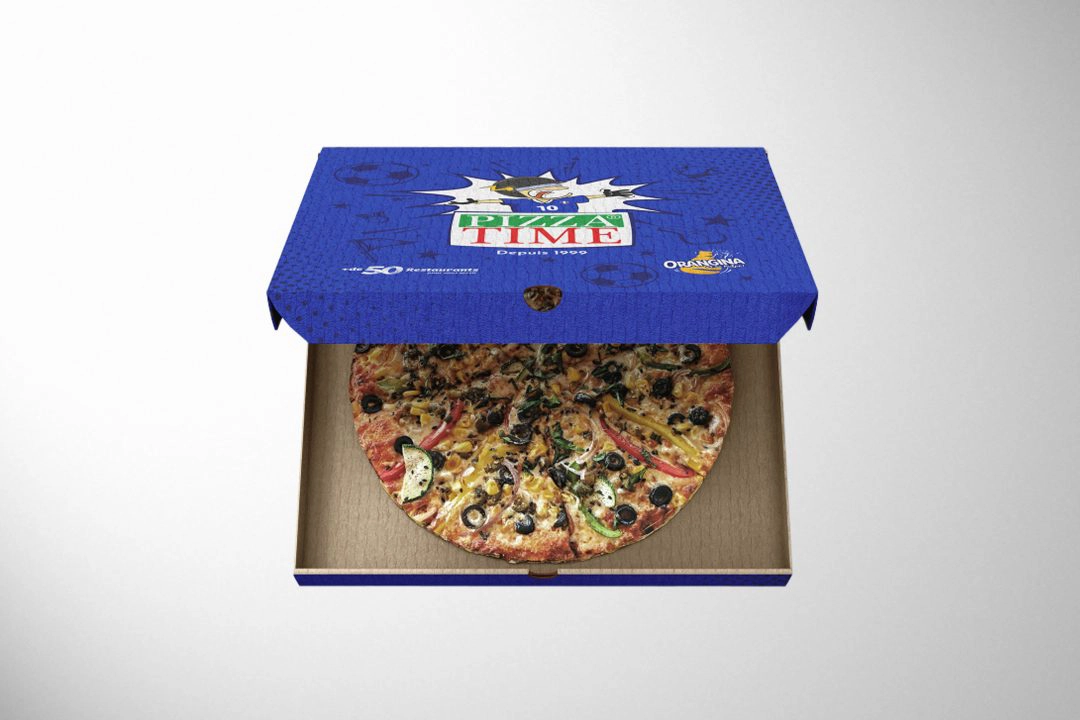
Since 12 August 2026, pre-licensing no longer covers service packaging that carries your name, logo or brand. Under the EU Packaging and Packaging Waste Regulation (PPWR) and Germany's implementing act, the VerpackDG, the business that orders a printed cup or box and fills it is both the manufacturer and the producer of that packaging, whether the supplier sits in Germany or abroad. In practice that means three things: you register in LUCID as a producer rather than ticking the pre-licensed box, you sign your own contract with a recycling scheme and report volumes, and the technical documentation and declaration of conformity have to exist in your name, even if your supplier provides the paperwork. The rest of this guide, the checkbox and the supplier confirmation, still applies to neutral packaging without your logo, provided you buy it from a supplier based in Germany. Buy neutral packaging directly from abroad and you become the first party placing it on the German market, which again makes you the producer. One exception exists for micro-enterprises with fewer than ten employees and an annual turnover of no more than two million euros: if their supplier sits in the same member state, that supplier takes the role. For direct purchases from outside the EU the exception does not apply. There is no transition period, though packaging placed on the market before 12 August 2026 may be used up. The same producer definition now runs across the EU; LUCID is simply Germany's register, just as Repak is Ireland's and Verpact the Dutch one. Whoever orders the branded cup is therefore also choosing a role in the register. The neutral version of the same cup leaves that role with the supplier. What that role means for the order, the paperwork and the registration is set out in our guide to branded service packaging since 12 August 2026.
Who exactly has to register
The rule catches what German law calls the final distributor: whoever hands filled packaging to the end customer. In practice that means the kebab shop, the café, the bakery counter, the food truck, the weekly-market stall, including German sites of foreign chains and franchises. It does not matter that every single cup was bought pre-licensed from a wholesaler; the counter that hands it over registers. One boundary worth knowing: this applies to genuine service packaging, filled where it is sold. Shipping cartons for an online shop are a different category with their own, stricter licensing rules; do not mix the two streams.
The registration itself: twenty minutes and one decisive checkbox
The reassuring part: LUCID registration is free and done online in one sitting. You create an account, enter the business details, and declare what kind of packaging you place on the market. The step that matters comes in that declaration: businesses buying only pre-licensed service packaging tick the option for exclusively pre-licensed service packaging. Since August 2026 that route is open only if the packaging carries neither your name nor your logo; otherwise you register as a producer. That single checkbox tells the register that no separate recycling-scheme membership and no volume reports are expected from you. You receive a registration number, and the process is over. Skip or miss the checkbox, and the system will expect data reports you never intended to owe, turning a twenty-minute task into a recurring headache.
The supplier document you actually need
The checkbox is a declaration; in an audit you prove it with paperwork from your supplier. Ask for the pre-licensing to be confirmed in writing: on the invoice, the delivery note, or a separate confirmation naming the exact items. As a manufacturer we see the full spectrum every week, from clean invoice notes to a shrug on the phone. A supplier who cannot or will not confirm pre-licensing in writing is quietly shifting the risk to you. Keep the confirmations together in one folder; when anyone official asks, what counts is the document you can produce, not the assurance you once heard.
The three mistakes we see most often
First: not registering at all, in the firm belief that the wholesaler handled everything. He handled the payment; the registration is personal and legally cannot be done for you. Second: having no written proof of pre-licensing anywhere; registered, checkbox ticked, but not one document backs it up. Third: throwing all packaging into one pot. Service packaging and shipping packaging follow different rules; a takeaway that also runs a small online shop should treat the two streams separately. None of these mistakes costs anything day to day, until an authority inquiry or a competitor's formal warning letter arrives. Trading without registration is, strictly speaking, prohibited, and fines are real.
A practical checklist for German sites
- Check first whether the business name, logo or brand is on the packaging: if so, since 12 August 2026 you register as a producer, with your own scheme contract and volume reports instead of the checkbox.
- Create the LUCID account and store the registration number (free of charge).
- Tick exclusively pre-licensed service packaging, if that genuinely covers everything you use.
- Request written confirmation of pre-licensing from every packaging supplier, item by item.
- File invoices and confirmations in one place.
- Check shipping cartons separately; they are not service packaging.
- When changing suppliers, ask for the confirmation with the first order, not after.
Questions to put to your packaging supplier
Four questions, and a serious supplier answers all of them without hesitation: Is your service packaging pre-licensed, and with which scheme? Will you confirm it in writing on the invoice or delivery note? Does that cover every item I buy, or only part of the range? And does it stay that way for repeat orders? A supplier with clear answers removes this whole topic from your desk. One who dodges makes his compliance gap your problem.
A worked example: opening a site in Germany, in four steps
Here is the sequence when it goes well — assembled from cases we accompany as a supplier. A café opens in eight weeks. Week one: the owner creates the LUCID account before ordering a single cup: twenty minutes one evening, registration number noted. Week two: the quote request to two packaging suppliers carries one extra sentence: please confirm pre-licensing of the service packaging in writing on the invoice. One supplier replies with a clear yes and a sample invoice; the other hedges, and the sourcing decision quietly makes itself. Week three: the first delivery arrives, the invoice note goes into the folder, the checkbox in the register was ticked long ago. From that point the topic is closed before the first coffee is sold. The difference between this and the stress version (registering only after an official letter, hunting for documents under deadline) is not effort. It is merely the order of steps.
PPWR and VerpackDG: the second layer above LUCID
Since 12 August 2026 the EU Packaging Regulation and Germany's VerpackDG sit as a second layer above the register: material rules such as the PFAS ban, the markings that now go into the print file, and the producer role for branded service packaging described above. The registration duty itself has stayed; what has moved is the question of who licenses and reports which packaging. We covered what that means for buyers in our guide to the EU PFAS ban.
The bottom line for neutral packaging: one free registration, one correctly ticked box and one supplier document on file. With your own logo, the scheme contract and the volume reports come on top; in return the packaging genuinely belongs to your business. A word on our own position, since we manufacture outside Germany: since August 2026 a supplier based abroad can no longer pre-license on your behalf. What ships with our cups and food boxes is therefore the paperwork for your own filing: technical documentation, the declaration of conformity and unit weights per item. This is a manufacturer's practical view of German rules, not legal advice for your specific case.
Frequently Asked Questions
- Does LUCID apply to businesses outside Germany?
- Only once you place packaging on the German market — through a site, branch or sales into Germany. If you trade purely elsewhere, LUCID does not bind you, though similar producer-responsibility schemes exist in other countries, such as EPR in the UK.
- I have my cups printed with my logo. What changed in August 2026?
- Since 12 August 2026 you are the manufacturer and producer of that packaging: you register in LUCID as a producer instead of ticking the pre-licensed box, sign your own contract with a recycling scheme, report volumes and hold the declaration of conformity in your name. Micro-enterprises with fewer than ten employees are exempt only when the supplier sits in the same member state.
- My wholesaler says everything is taken care of — is it?
- The payment side can be, the registration side cannot. LUCID registration is personal to the business handing packaging to end customers and legally cannot be delegated, even if every item you buy is pre-licensed.
- What does the supplier confirmation look like?
- Typically a note on the invoice or delivery slip stating the service packaging is pre-licensed, ideally naming the items; a separate written confirmation works just as well. The essentials: written, traceable to the items, and filed where you can find it.
- Do shipping boxes count as service packaging?
- No. Service packaging is filled at the counter and handed over directly — cups, food boxes, bags. Shipping cartons follow the standard rules with their own licensing duty and sit outside the pre-licensing shortcut.
- How do I set this up without disrupting the business?
- Register once in a quiet moment, tick the pre-licensed option, then request written confirmations from your packaging suppliers with the next order. If a supplier hesitates, that is useful information in itself — ask for an item-by-item statement before you reorder.
Related Articles
Branded service packaging in Germany: you are now the producer
Since 12 August 2026 it is not the cup but your logo on it that makes you the producer in Germany. Which service packaging is caught, when pre-licensing still works, why the micro-enterprise exemption only applies with a German supplier, and how the honest sum for logo or no logo works out for businesses selling into Germany.

EU Packaging Rules Since 12 August: What Goes On the Pack
The EU packaging regulation started applying on 12 August 2026. If you sell into the EU, the first part that reaches you is not a filing task. It lands in the artwork of your next print run.
In Germany, Your Coating Decides the Reuse Rule
Whether you have to offer a reusable alternative in Germany is not settled by your menu or your floor area alone. It is settled by two lines in your packaging order: the barrier and the lid.
Selling Cups into Germany: Who Pays the Single-Use Plastic Levy
A German café buying cups from a domestic wholesaler never meets Germany’s single-use plastic fund. Once cups travel straight from a supplier abroad to a German business, someone becomes the producer, and the levy is charged on the weight of the whole cup.

The EU PFAS Ban on Food Packaging: What to Check Now
Since 12 August 2026 the EU has banned PFAS above strict limits in food-contact packaging. What it means if you sell into the EU, which packaging is actually at risk, and the five questions to put to your supplier.