
 Deutsch
 Français
 Türkçe
Blog
Packaging tips, trends and industry insights from Bas Packaging.

Supplier audit at a packaging plant: what works remotely
A certificate tells you what you need not check again at a packaging supplier. It does not tell you whether the glass register is complete, whether a batch traces backwards in thirty minutes or who tells you when the board changes. What a remote audit covers, what you have to travel for, which self-assessment answers to verify and how an audit turns into a corrective action plan.

Framework agreement for packaging: call-offs, stock, leftovers
A framework agreement does not lower the minimum run; it spreads it over twelve months. Whoever does not call off still buys in the end, and whoever leaves the leftover unregulated pays for the next menu change with a pallet. What the agreement settles and what only the call-off does, why the supplier prints the annual volume in one run, who stores and bears the risk, how many call-offs a chain needs and which lead time the contract actually means.
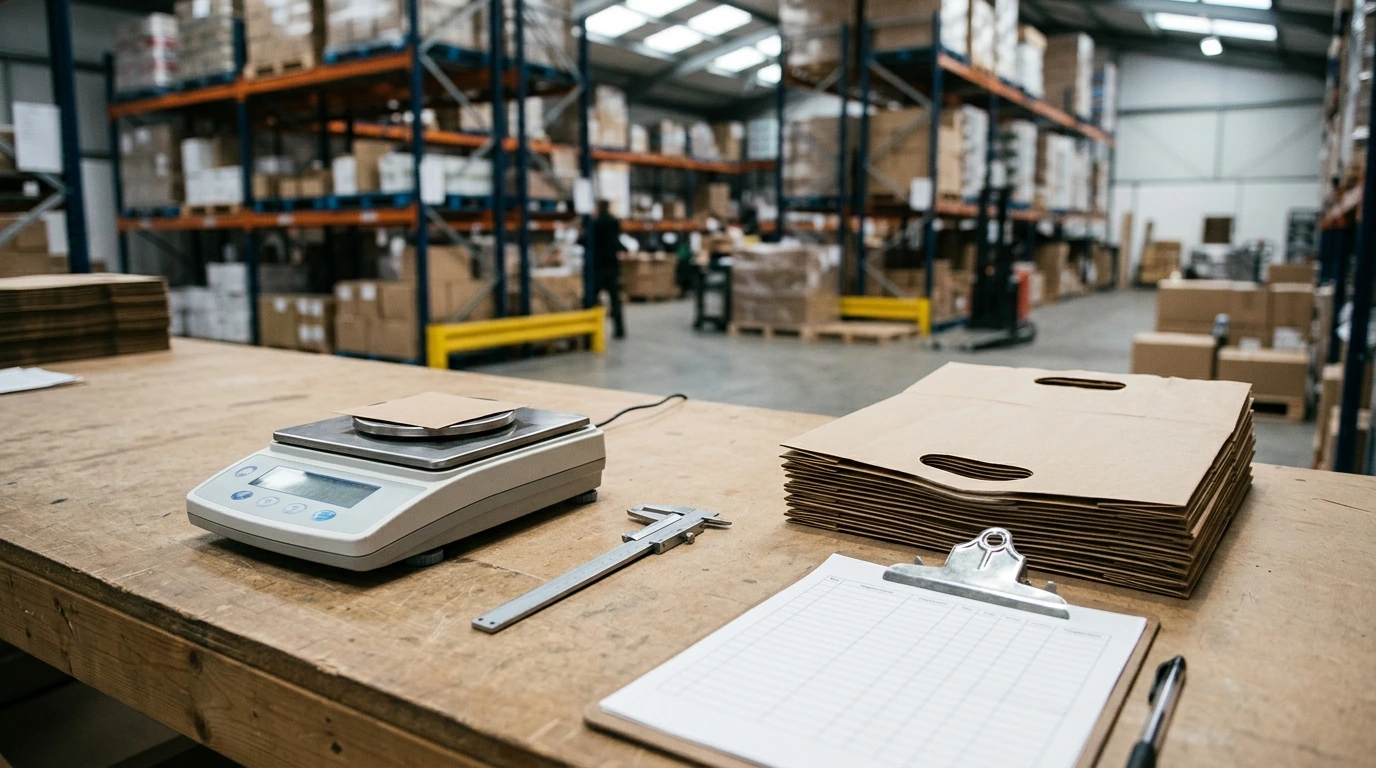
Packaging specification: agree tolerances before the pallet lands
The standard measures grammage, it does not tolerate it: without an agreed tolerance there is nothing to reject at goods-in, and a quote without tolerances cannot be compared with any other. Which lines on grammage, dimensions, colour, sampling and pallet belong in a packaging specification, how many pieces you inspect and what happens when the scales show something other than the order.
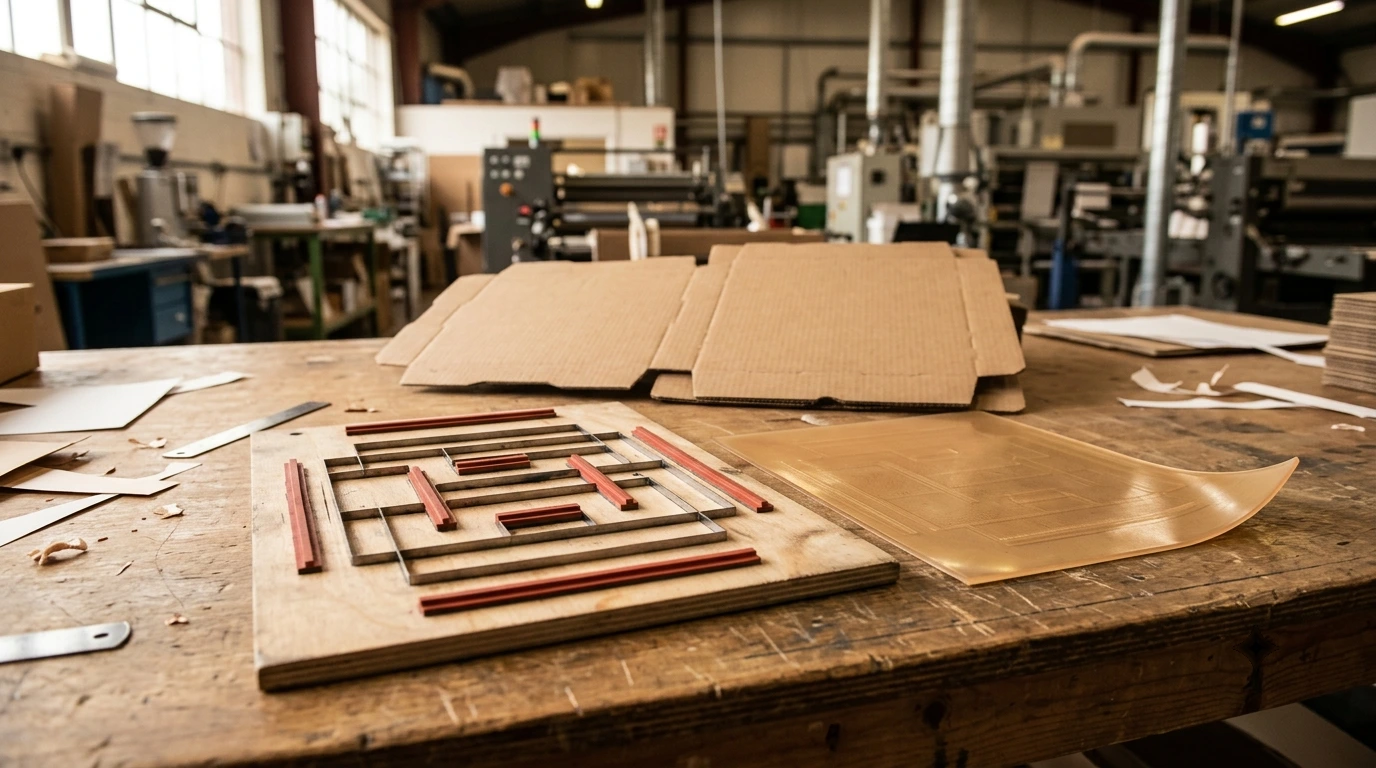
A second packaging supplier: who owns the tooling?
A second supplier rarely fails on price and often on a question nobody asked in the first contract: who owns the cutting die and the printing plates, and what of that fits another plant at all. When a second supplier becomes a must, what data it really needs, where two plants differ on the shelf, what happens to marking and conformity, and from what volume a business can carry two minimum runs.

PPWR conformity: the data your packaging supplier owes you
Since 12 August 2026 every pack placed on the EU market needs a declaration of conformity. For packaging that carries your brand, your supplier does not issue it; you do, and the supplier owes you the data it is built on. What that data set looks like, which test report belongs to the food-contact declaration, what a BRCGS certificate proves and what nobody can certify about recyclability yet.

Printed ice cream cups: a scoop is not an order size
Ice cream is sold in scoops, but cups are built in millilitres. Order “cups for two scoops” and you are ordering the number on your scoop without saying it. How to convert scoops into millilitres, why 250 and 300 ml are two completely different cups, what the lid does to the bin, and when the order has to leave so the cups are on the counter in March.
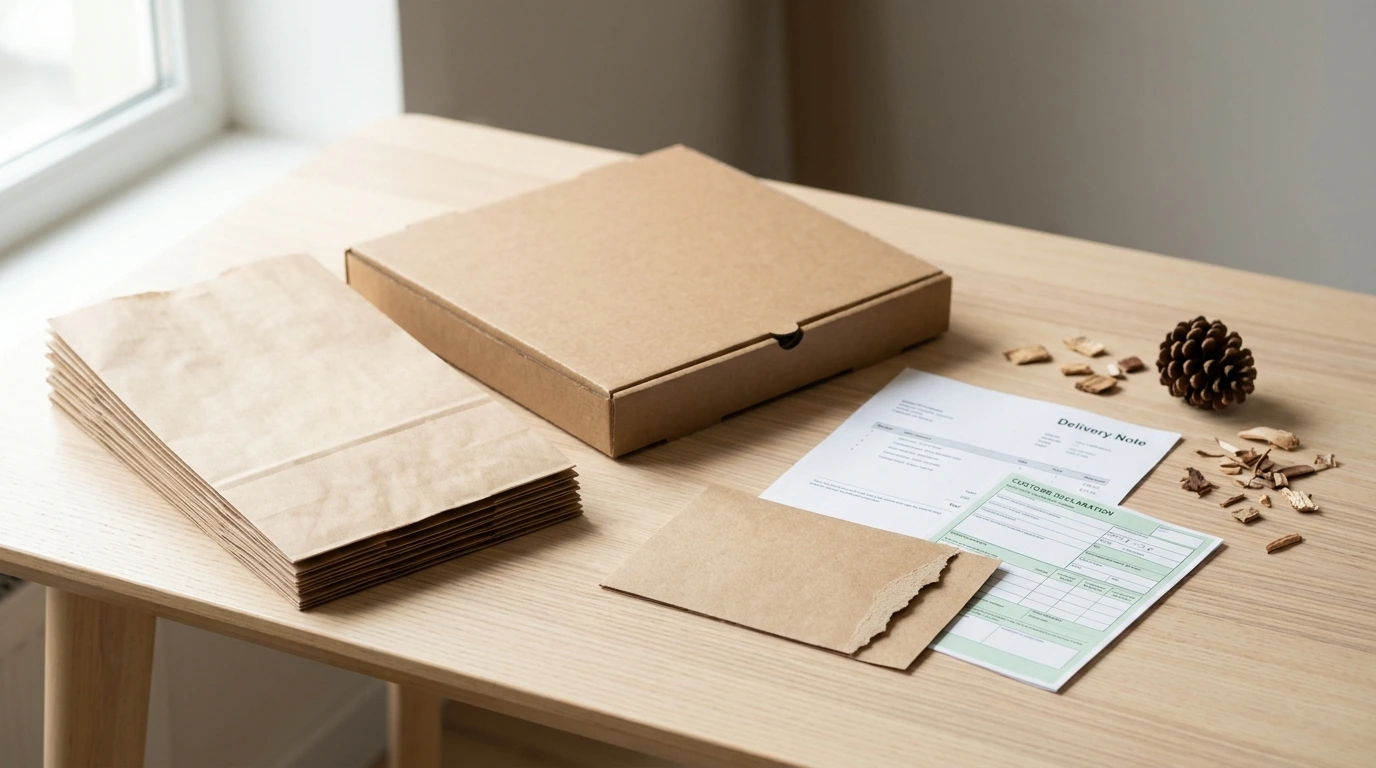
EUDR from 30 December 2026: your paper packaging needs an origin
From 30 December 2026 the EU Deforestation Regulation covers pizza boxes, bakery bags and paper cups the moment they enter the EU as goods. Buy them from outside the EU, and since Brexit that includes a supplier in Leeds, and you are the operator who has to prove where the fibre grew. Which datasheet line decides whether a bag is in scope, what your supplier has to hand over, and where the EUDR stops and LUCID starts.

Paper sauce cups and the 2030 ban: the five per cent question
From 1 January 2030 single-use plastic portion packs leave the restaurant table across the EU, but not the delivery bag. Whether your paper cup is caught is decided by a number printed on no cup: its plastic share. Why the same coating counts for Germany’s plastic fund but only above five per cent for the ban, and what belongs in an order for 2027 to 2029.
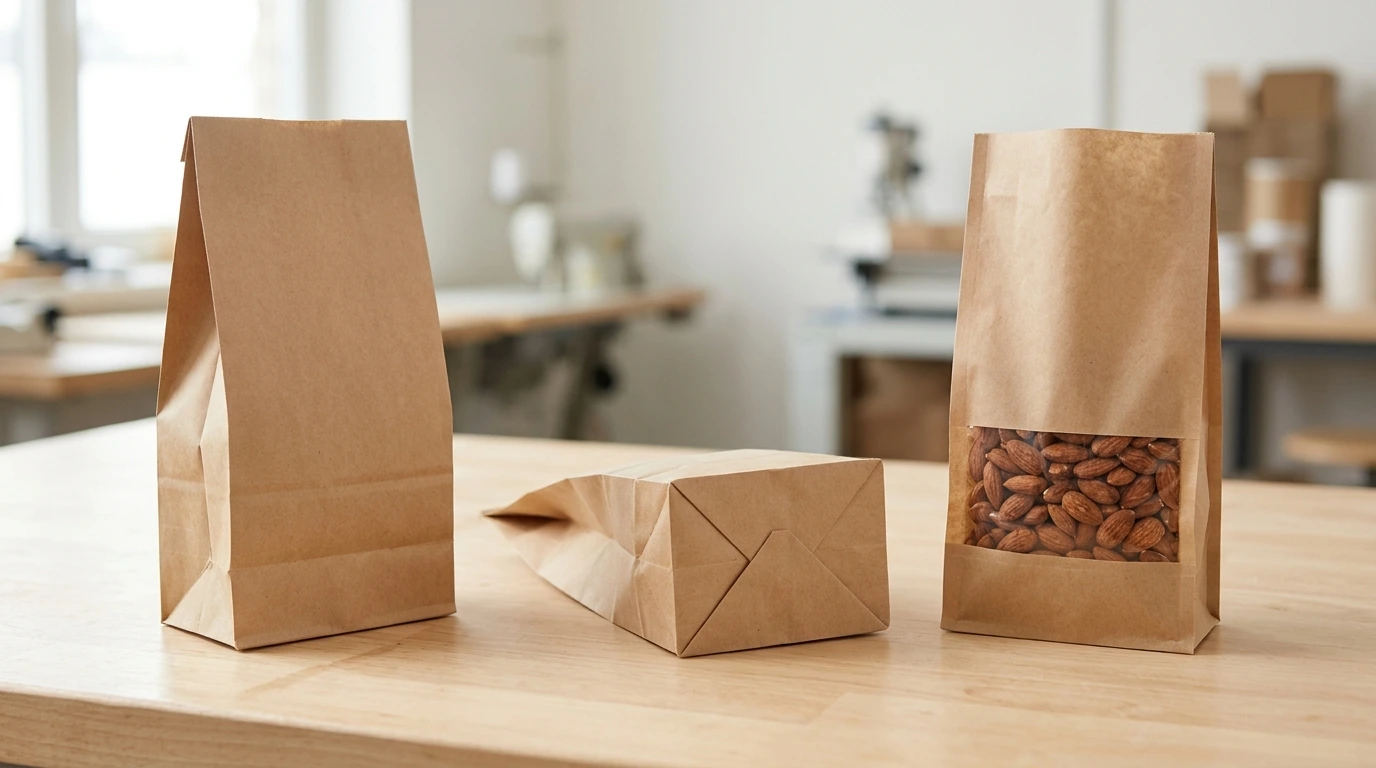
Printed block bottom bags: which base for which product?
Search for printed bottom bags and you are offered three different bags. Which of them stands empty and speeds up the counter, why a coffee roaster is at the wrong address with paper, how fill weights from 100 g to 2,000 g choose the size, what belongs on the side gusset and when the bag needs a second layer.
Printed bakery bags: sponsored, co-branded or your own logo?
There are three routes to a printed bakery bag, and only one of them belongs to the bakery. What the free sponsored bag really costs, when your own logo pays off, what to write down before co-branding, what 38 to 70 g/m² paper does to a design, and who licenses the bag when you trade in Germany.
Branded service packaging in Germany: you are now the producer
Since 12 August 2026 it is not the cup but your logo on it that makes you the producer in Germany. Which service packaging is caught, when pre-licensing still works, why the micro-enterprise exemption only applies with a German supplier, and how the honest sum for logo or no logo works out for businesses selling into Germany.

Printed Twisted Handle Paper Bags: Small Run or 10,000
A twisted handle paper bag ordered in a small run and one ordered in tens of thousands are two different bags. One is bought finished and printed afterwards; the other is printed before it has been folded into a bag at all.
No results found.
