Deutsch
 Français
 Türkçe
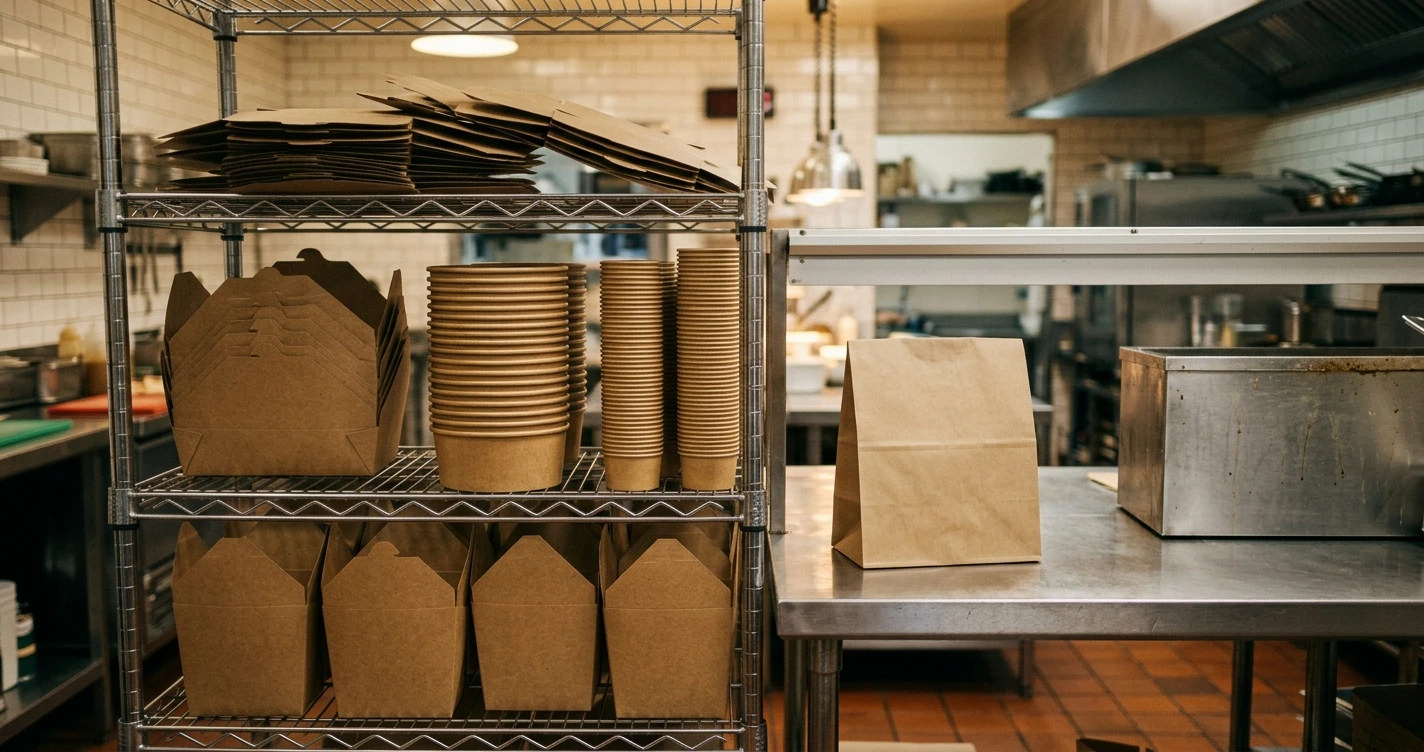
The third brand is ready. Menu signed off, photography done, a launch date already sitting in the delivery apps. Then someone starts writing the packaging list: burger box, fries box, sauce cup, bowl, lid, noodle box, carrier bag. Somewhere past the twentieth line the room goes quiet. That list belongs to three brands now, and the kitchen behind it is still one kitchen.
Packaging for a ghost kitchen tends to be treated as a shopping question. What makes it awkward is not the box, though, it is the count. How many separate packaging lines can this operation genuinely carry? The menu does not decide that. Minimums and shelf space do.
One kitchen, three brands, and a list that keeps growing
A single-brand delivery operation usually runs six to eight packaging lines. Add virtual brands and the list appears to multiply, because each brand wants its own main container, its own lid, its own bag.
Look closer and the picture changes. Three brands rarely need three separate worlds of packaging; they draw on the same family of sizes. The burger brand's box, the salad brand's bowl and the noodle brand's container tend to land in the same volume band. The problem is not variety of product. It is the same product duplicated once per brand.
Splitting that question in two shortens the list quickly. Ask how many containers the kitchen needs, then ask separately how many printed designs it needs. Twenty lines usually collapse to seven or eight containers. What remains is a brand identity question, and it gets solved somewhere other than the purchase order.
Minimums attach to the product, not to the brand
Here is where the decision gets expensive. In printed production the minimum order attaches to the item being made, not to the brand ordering it. Running the same box again with a second brand's artwork means running that box again from the beginning.
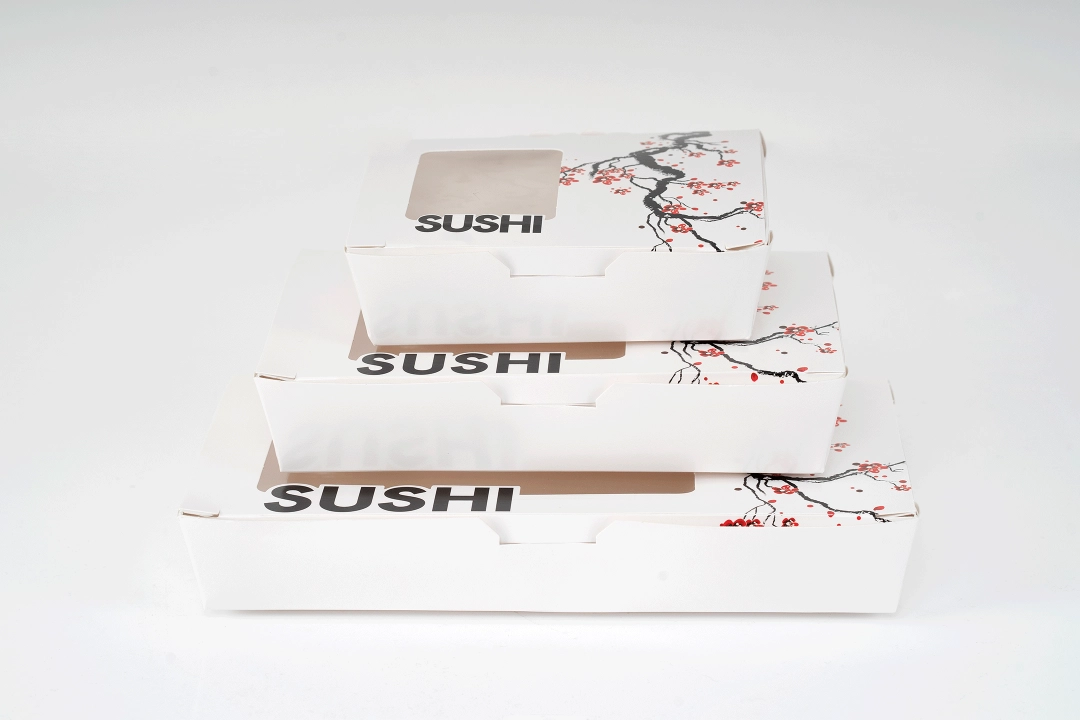
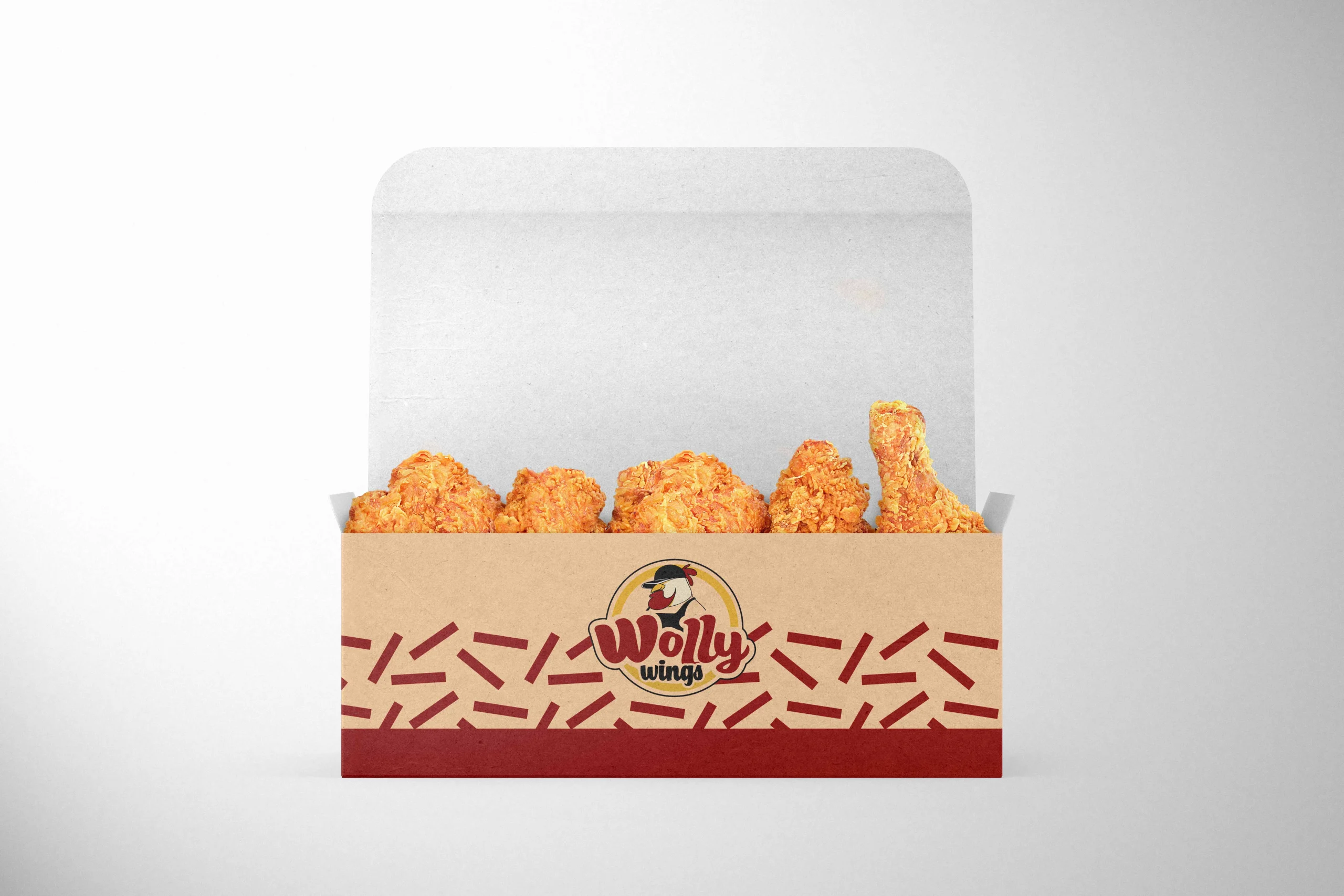
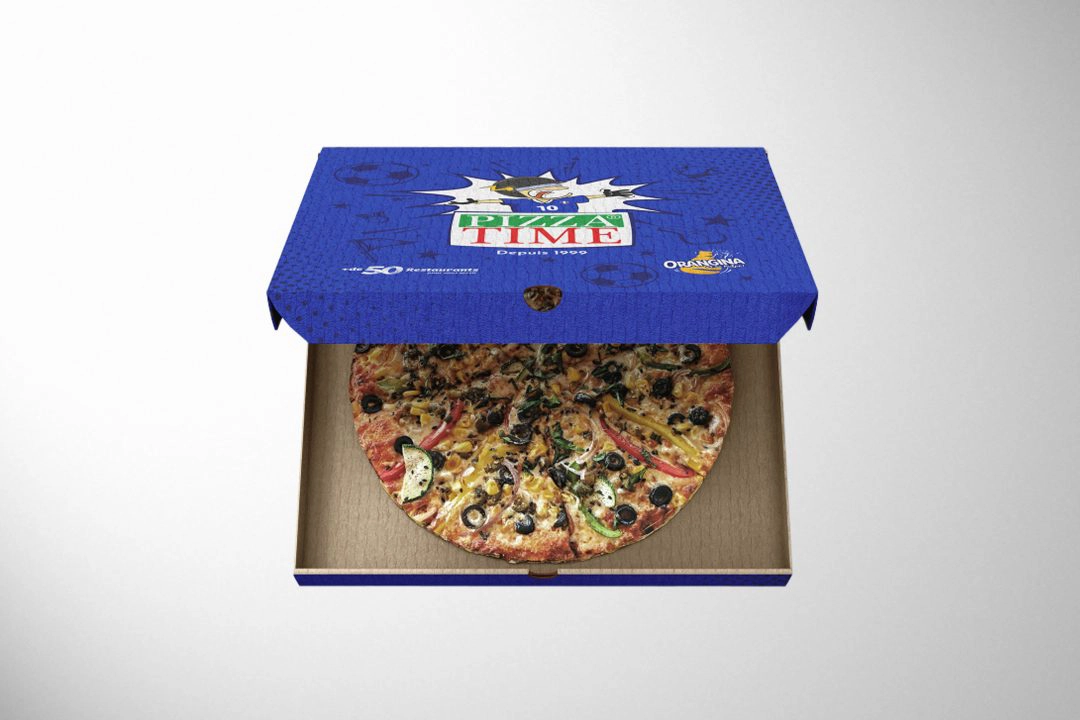
The minimums published on our product pages show the shape of it. Kraft food boxes, bowls, fries boxes, chicken boxes and sushi boxes start at 10,000 pcs. Pizza boxes, snack boxes and doner boxes start at 25,000. Sauce cups start at 50,000.
Printed surfaces count too. Heat-seal food trays are published at 10,000 pcs, and the same page states 20,000 pcs when the tray and the lid are both printed. That has nothing to do with branding and everything to do with production: every printed surface is its own run, its own set-up, its own minimum.
Sizes behave the same way. A meal box at 155 × 120 × 65 mm and one at 195 × 140 × 95 mm are not one print job with two settings; each size carries its own cutting forme. Three brands, three artworks, two sizes apiece, and the arithmetic gets away from you fast. The costly way to discover this is after the order has gone in.
Shared body with a label, or print per brand
Two routes are open here and both are legitimate. Choosing between them means being honest about how far apart the brands actually need to look.
The shared body route uses one container type. An unprinted box, or one printed in a single plain ground, serves all three brands, and identity arrives through a label, a sleeve or a sticker across the lid. This is part of why printed and unprinted production are listed separately on our pages. One minimum puts three brands on the shelf, and adding a fourth costs very little.
Printing per brand gives each brand its own box. The effect is different in kind: what comes out of the rider bag looks like the brand itself, and the photo in the app matches the object in the customer's hands. The price of that is one minimum and one shelf position per brand.
What we see from the production side is fairly consistent. One of the three brands almost always carries more than half the volume. Printing for that brand, and running the other two on a shared body with labels, is the arrangement that holds up in most ghost kitchens. Identity stays strong where it is seen most, and the minimum does not triple.
The smallest item carries the largest minimum
The smallest line on the list tends to produce the biggest surprise. Sauce cups are published at 50,000 pcs, and the size of the cup is exactly why: these run in volumes like 30, 60, 90 and 120 ml, in very high quantities.
Read on its own the figure looks steep. Read against service it looks different, because a sauce cup is consumed per order rather than per brand. Two or three go out with a single delivery.
The practical conclusion is straightforward. When you rank items for branded print, sauce cups belong at the bottom of that list and at the top of the shared list. Using one plain cup across all three brands costs you nothing anyone notices; attention sits on the main container. Spending identity budget here means paying the largest minimum for the least visible item.
What it takes up on the shelf
The second bill for SKU count arrives in the stockroom, and it usually stays invisible until the first delivery lands. Storage in a ghost kitchen is tight to begin with; the rack behind the packing station is often the whole warehouse.
Items behave differently there. Folding cartons arrive flat and cost little space, while bowls and sauce cups nest and stack upward. Volume is not really the issue: variety is. Every printed variant is its own case, its own shelf position and its own count. Three prints of one container do not take three times the space, but they do create three separate stock lines.
Counting gets harder for the same reason. A single-brand kitchen can track packaging by eye. Do that across three brands and you find out a line is short two days before it runs out. With printed stock there is no recovery from that, because replacing it means producing it again. A shared body leaves you holding stock that is always usable; only the label changes.
Running out of the right box on a busy Friday, or being left with the wrong brand's, usually traces back to the rack rather than the forecast. Holding packaging variety flat while brand count grows is an operational decision before it is a cost one.
Which brand goes to print first
Sending all three brands to print together is rarely the right move. Cash and shelf both load at once, and sizes get locked in before the menus have settled.
The test for going first is not which brand the team likes most. It is which brand produces volume. The box for the highest-ordering brand goes to print; the other two carry on with the shared body until their numbers can carry a minimum of their own.
Lead time belongs in that plan as well. On the food box range we publish roughly 15 to 20 working days after approval. If a new brand's launch date sits closer than that, opening on an unprinted body with labels beats moving the launch. What to have ready before that first order is set out item by item in our takeaway packaging checklist.
What is left when a brand closes
Fast experiments are built into this model. A brand opens, runs for three months, and closes if the numbers do not appear. That is not failure, it is how the model works, and packaging decisions are more useful when they assume it.
Printed stock for a closed brand is worth nothing. It carries a name, a logo and often a strapline; it cannot move to another brand, go back, or be pushed onto a second product. A shared body survives the closure intact, because a change of label makes it the next brand's box.
So the decision splits cleanly in two. For a brand you are confident about, print builds identity properly and earns the outlay. For a brand still being tested, a shared body keeps the cost of the test in the menu rather than in the stockroom. Part of why kraft food boxes are published in six standard sizes is exactly this: the size family stays put even when the brand on it does not.
The packaging rack in a ghost kitchen is a physical record of how many brands the operation can really carry. A brand that does not fit on it is not a brand yet, it is a menu trial, and buying packaging for it as though it were the finished article pulls the most expensive part of the experiment forward to the earliest day.
Frequently Asked Questions
- Does putting different labels on the same box actually work?
- It does, and it is one of the arrangements that holds up best in multi-brand kitchens. One unprinted or plain-ground container is ordered, and identity comes from the label. A single minimum puts several brands into service, and adding another brand does not mean another print run. Agree the adhesive early, since the label has to hold on a warm or greasy surface.
- Does each brand carry its own minimum?
- The minimum attaches to the item produced rather than the brand ordering it, so the same box printed for two brands is two production runs. Published figures vary by range: kraft food boxes, bowls, fries and chicken boxes start at 10,000 pcs, pizza, snack and doner boxes at 25,000, and sauce cups at 50,000.
- How many sizes should I start with?
- Most ghost kitchens work comfortably with three or four. A main meal container, a smaller portion or side container and a sauce cup form the core. Choosing sizes by portion rather than by brand lets all the brands share one size family and keeps the stock list from multiplying for no operational gain.
- What happens to printed stock if a brand closes?
- It cannot be moved across, because the name and logo tie it to one brand. That is the argument for shared bodies with labels while a brand is still being tested, and for branded print once it has proven itself. Judging that on how long the brand has been holding its volume is more reliable than judging it on optimism.
- Should sauce cups be branded too?
- Usually not. Sauce cups carry the highest published minimum at 50,000 pcs, and customer attention sits on the main container rather than the cup. Running one plain cup across every brand does not weaken identity, and it keeps the largest minimum away from the least visible item on the list.
- How long does it take from print approval to delivery?
- On the food box range we publish roughly 15 to 20 working days after approval. Rather than compressing a brand launch into that window, most operations find it easier to open on an unprinted body with labels and move the printed version into the second order.
Related Articles
How to Hold a Packaging Standard Across Multiple Sites
Packaging drifts on its own once you pass three sites. What drifts is not stock but the number of versions, and the bill for that lands on the printing plate rather than the price list.
What Your Packaging Supplier Needs Before They Can Quote
Three suppliers, three prices, three different bags. Most packaging quotes are unusable because the enquiry described a logo instead of a product. Here is the brief that gets you comparable numbers.
Pizza Box Sizes Without the Guesswork
The number printed on a pizza box is the inside of the box, not the width of your pizza. Skip the clearance and the first delivery run comes back with cheese stuck to the lid.
Sauce Cup Lids: Which Lid Fits Which Pot?
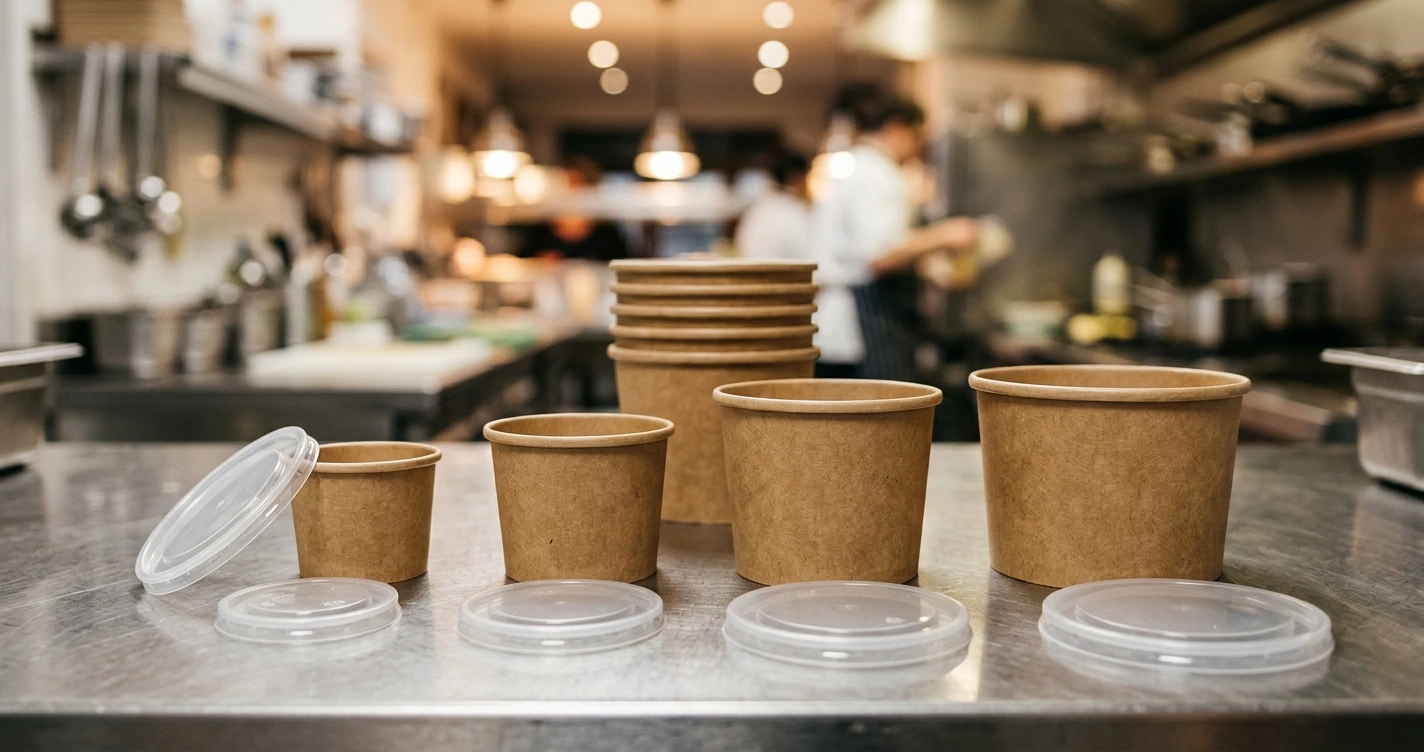
A lid has no idea how many millilitres your pot holds. All it sees is the rim. There are four standard capacities but only three rim diameters, and knowing that takes a line off your order.
Opening a Takeaway: The Packaging Checklist That Saves You Money
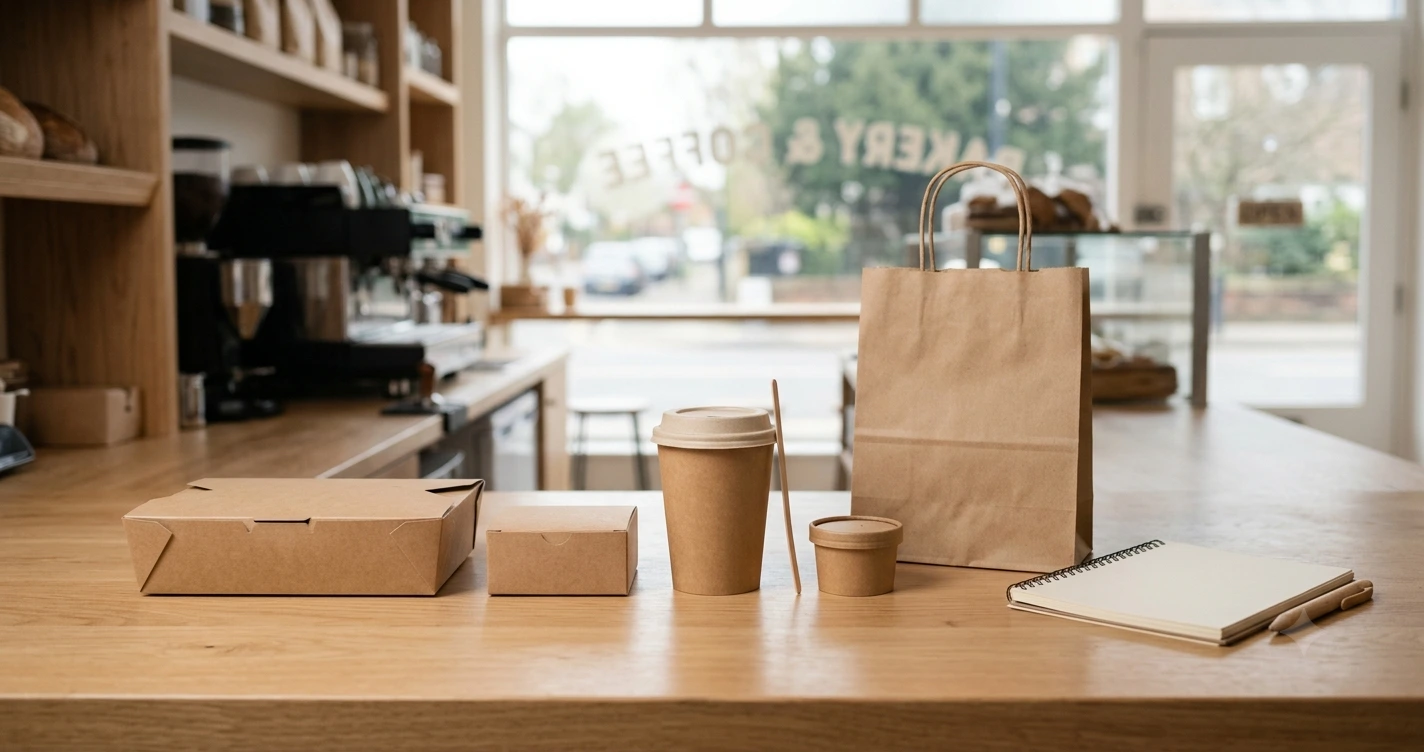
New operators buy packaging from a catalogue, end up with too many sizes and a year of the wrong box. This checklist works from your menu instead, covers how much to order, and ends with the seven lines that get you a real quote.