Deutsch
 Français
 Türkçe
Why food-grade is a starting point, not a finish line
A cafe owner approves a quote for printed cups, sees the words food grade next to the price, and assumes the safety question is settled. Often it is not. Food-grade tells you something real about the material, but on its own it does not promise the finished pack is safe for how you will actually use it — filled with hot espresso, holding a greasy pastry, or sitting with food for an hour before anyone eats. This guide is about the gap between a reassuring phrase on a quote and packaging you can genuinely stand behind, and the handful of checks that close it.
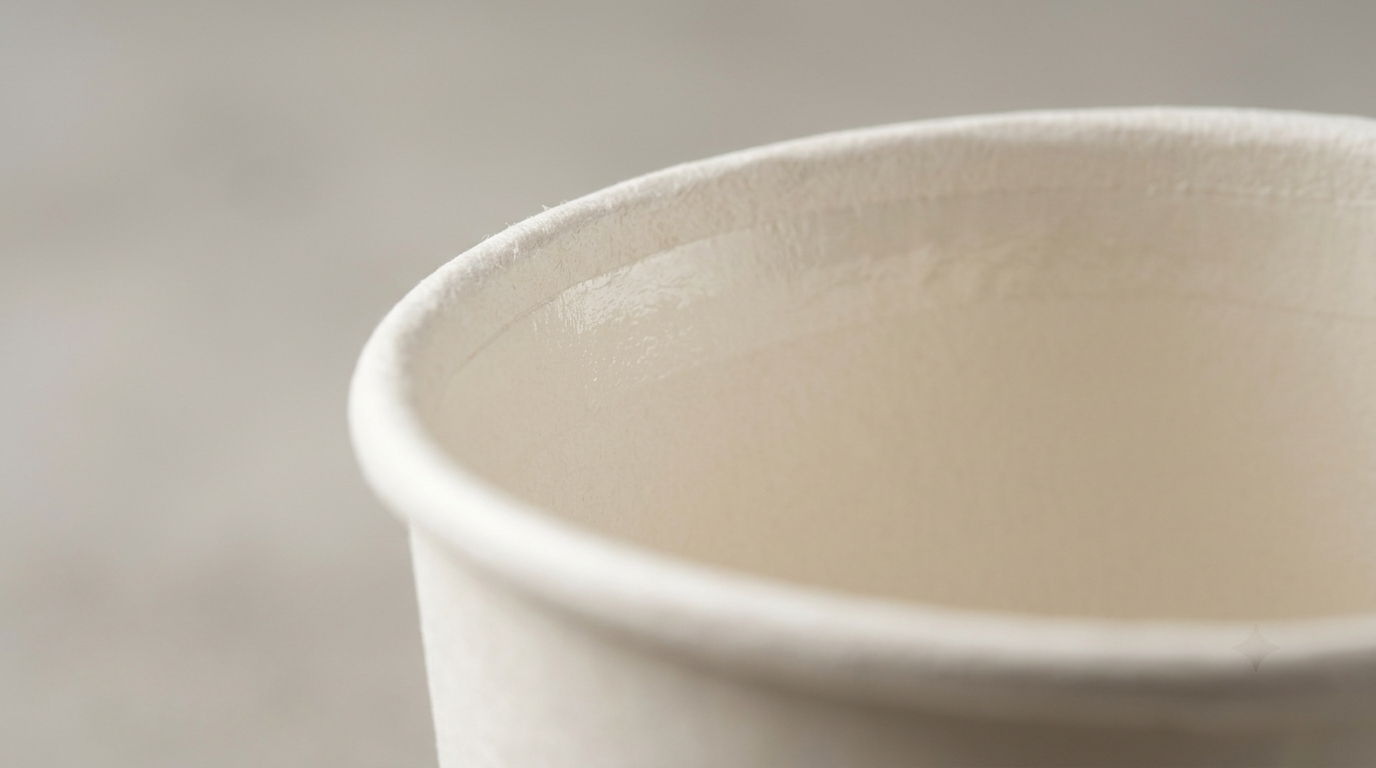
Food-grade and food-safe are not the same claim
The two terms get swapped around constantly, and the difference is the whole point. Food-grade describes the material itself: it is made from inputs suitable for food contact and produced under the right controls. Food-safe is about the outcome in real use — the same cup can be food-safe for a cold drink and a poor choice for boiling tea if its lining was never rated for heat. So food-grade is necessary but not sufficient. The honest version of the question is not is this food grade but is this material safe for my food, at my temperature, for my contact time.
The document that actually proves it
In the EU, anything that touches food sits under a framework regulation, Regulation (EC) No 1935/2004. Its core demand is plain: a material must not release substances into food in amounts that could harm health, must not change the food unacceptably, and must not spoil its taste or smell. Alongside it, Regulation (EC) No 2023/2006 requires good manufacturing practice, so safety is built into how the item is made rather than only checked at the end. Paper and board are a case worth knowing: unlike plastics, they have no single dedicated EU measure, so they lean on that framework plus the maker's own controls. That is exactly why one document carries so much weight — the Declaration of Conformity. A serious supplier can hand you one with supporting test reports; the glass-and-fork symbol or a for food contact line on the spec is the visible shorthand, but the declaration is the proof behind it. If you also sell into the United States, the parallel question is whether the material holds FDA food-contact status — a different system, the same idea.
Hot, cold, greasy or wet changes the answer
The same board behaves differently depending on what touches it and for how long. Heat, fat and moisture are the three forces that push substances out of a coating or a print and into food, and the rules frame this as migration, with specific limits for the substances that matter. A lining built for cold drinks may not be cleared for near-boiling liquid; a box that is fine around a dry biscuit can be the wrong call for a hot, oily portion. So before you lock a spec, get concrete about the worst case the pack will see — the hottest fill, the greasiest food, the longest the food sits inside — and ask whether the material is rated for that, not for some comfortable average.
The recycled-paper trap
Here is where good intentions can quietly backfire. Recycled fibre is a strong choice for plenty of packaging jobs, but it is not automatically safe for direct food contact. Recycled paper can carry mineral oils and ink residues from its earlier life, and without a functional barrier between the fibre and the food, those can migrate into what people eat. This is the uncomfortable point where the greenest-sounding option and the food-safety option can pull apart: a recycled board might be the better environmental story and the wrong surface to wrap a sandwich in — unless it has a barrier, or you keep recycled content to the outer plies and put a clean food-contact layer next to the food. It is a solvable problem, but only when it is decided on purpose.
What to check, by what touches the food
| Pack | What actually decides safety | The check to make |
|---|---|---|
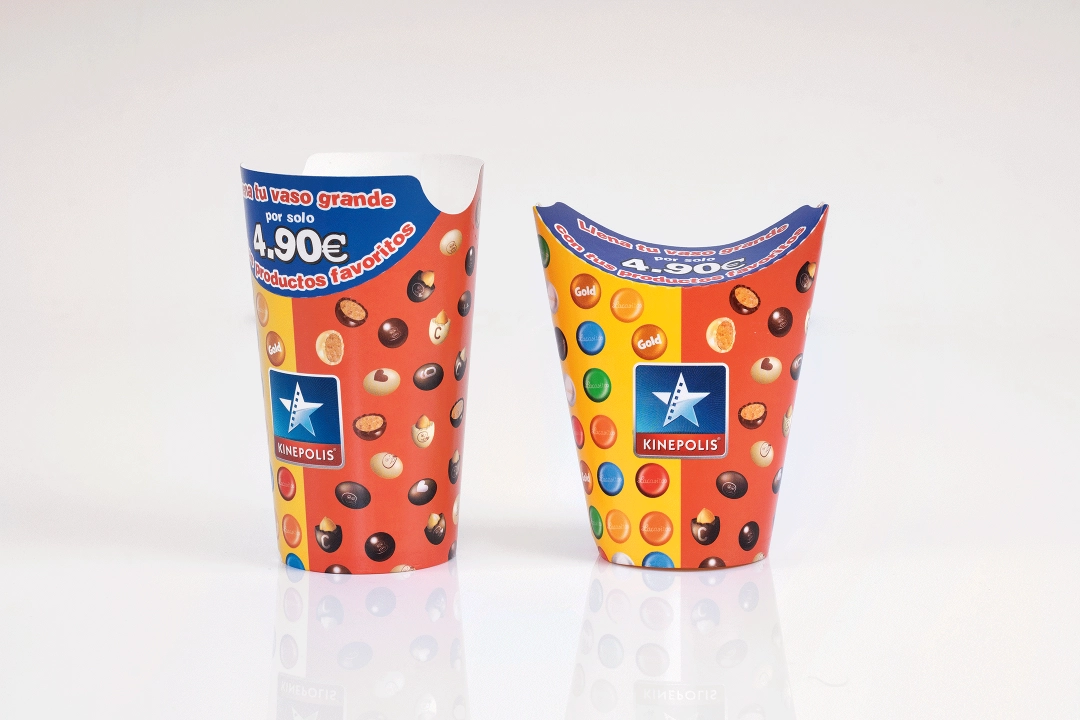
| Hot-drink cups | The inner lining and its heat rating | Is the liner cleared for hot liquid at your serving temperature? |
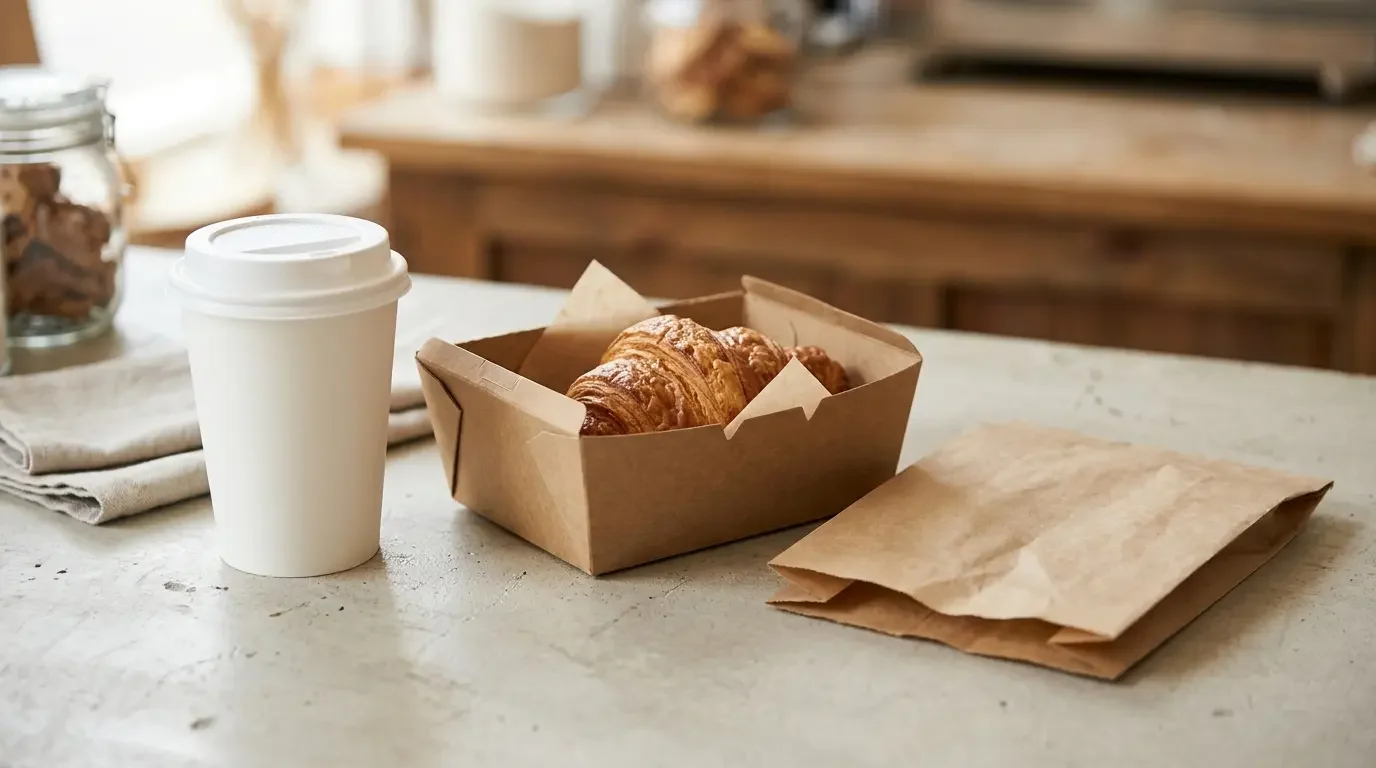
| Food boxes | Direct contact with hot or oily food | Is the board food-contact rated, and is any recycled content barriered? |
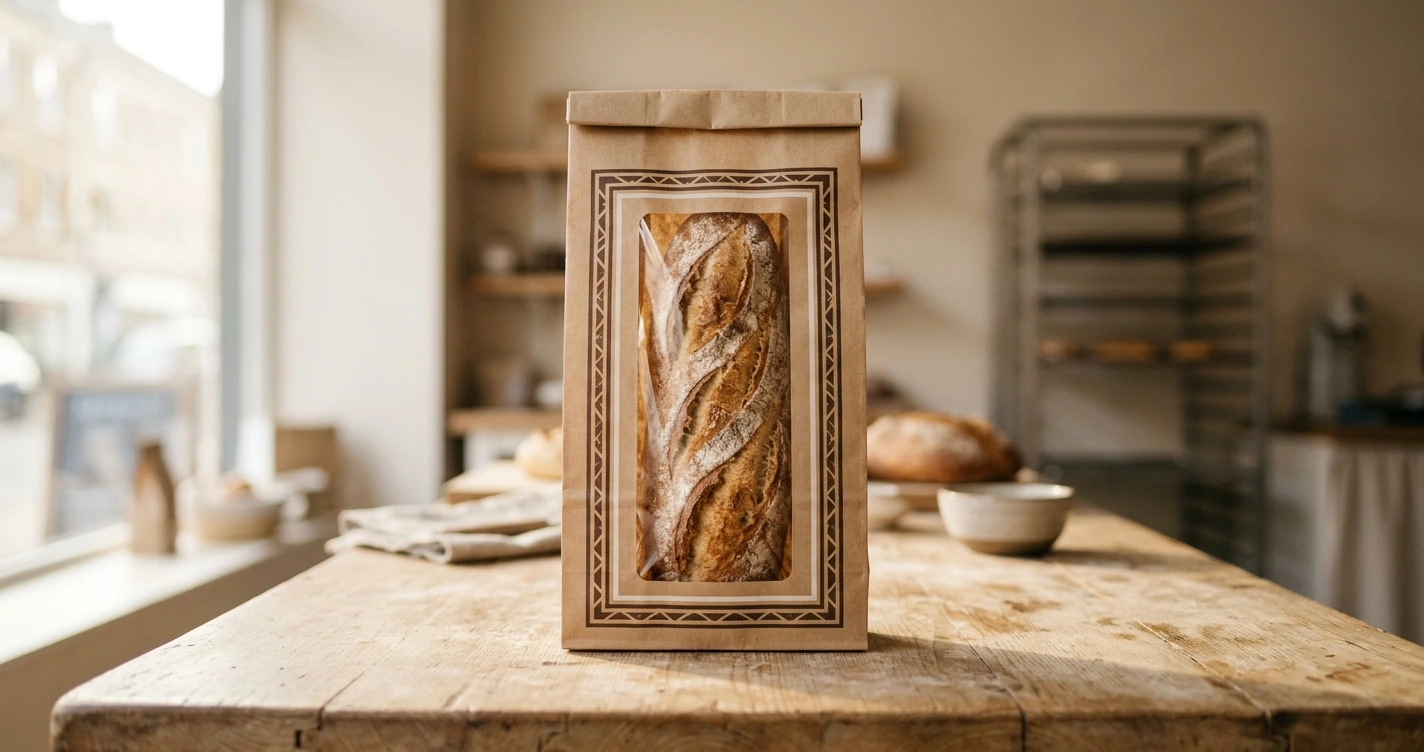
| Bakery and greaseproof bags | Grease passing through; ink on the inner face | Is the grease barrier food-safe, and is print kept off the food side? |
| Wraps and papers | Direct, often warm, contact | Is the paper rated for direct contact at that temperature? |
The questions that separate a supplier from a sticker
You do not need to become a chemist to buy well. Three questions do most of the work. First: can you provide a Declaration of Conformity for this exact item, with test reports? A real food-grade supplier will not flinch. Second: what is the coating or lining, and is it rated for my use — hot, cold, greasy, frozen? Vague answers here are the warning sign. Third: if there is any recycled content, what keeps it away from the food? When a supplier leads with a logo on a sticker and goes quiet on these, take the silence as the answer.
A small but common mistake
Brands often approve artwork that prints heavily on the inside of a bag or wrap for a premium look, then realise the ink now sits against the food. Keep print on the outward face, or confirm the inner inks are cleared for direct contact. It is a five-minute conversation that prevents an expensive reprint.
Food-grade and recyclable answer different questions
One last mix-up worth clearing. Whether a pack is food-grade and whether it can be recycled are separate questions, and a yes to one is not a yes to the other. A cup can be perfectly food-safe yet hard to recycle because of its lining; a board can be easy to recycle and the wrong surface for direct food contact. The barrier that makes a wrap safe against grease is often the very layer that complicates recycling, so the two goals have to be balanced deliberately rather than assumed to arrive together. Settle food safety first, then work the end-of-life question around it.
So what should you actually do
Start from how the pack is used, not from the phrase on the quote. Decide the hottest, greasiest, longest-contact case it will face, ask for the Declaration of Conformity that covers it, and make sure any recycled content is kept off the food unless it is barriered. Food-grade is the floor; matching the material to real use is the work. If you want to see how we spec printed cups, boxes and bags for food service, our food-service packaging range sets out the build options behind each one.
Frequently Asked Questions
- Is food-grade the same as food-safe?
- Not quite. Food-grade describes the material as suitable for food contact; food-safe is about the outcome in real use. A cup can be food-grade yet unsafe if it is filled with a hotter drink than its lining was rated for. Match the material to your actual temperature, food type and contact time.
- What document proves packaging is safe for food?
- A Declaration of Conformity backed by test reports. The glass-and-fork symbol or a for-food-contact note on the spec is the visible shorthand, but the declaration is the real evidence. A serious supplier can provide one for the exact item you are ordering.
- Is recycled paper safe for direct food contact?
- Not automatically. Recycled fibre can carry mineral oils and ink residues that may migrate into food without a barrier. It can still be used well — with a functional barrier, or by keeping recycled content in the outer layers and a clean food-contact layer next to the food.
- Do paper cups need a special lining to be food-safe?
- Hot and cold drinks need a moisture barrier, and the key is whether that lining is rated for your serving temperature. A liner cleared for cold drinks is not necessarily cleared for near-boiling liquid, so confirm the rating for how the cup is actually used.
- Does food-grade mean the packaging is also recyclable?
- No. Food safety and recyclability are separate questions. A pack can be food-safe and hard to recycle because of its lining, or easy to recycle and unsuitable for direct food contact. Decide food safety first, then optimise end-of-life around it.
Related Articles
Buying Food Packaging from Turkey: An Honest Guide
A quote from a Turkish packaging manufacturer can look very attractive, and it can be exactly as good as it looks, if the paperwork holds up. The documents to demand, how sampling and customs work, and the red flags that separate a partner from a problem.

Custom Printed Food Packaging: Getting the Artwork Right
Before a print run starts, a good supplier asks three questions most buyers cannot answer. What they mean, why brown board changes your colours, what stays off the food-contact side, and how finishes quietly add cost.

PPWR conformity: the data your packaging supplier owes you
Since 12 August 2026 every pack placed on the EU market needs a declaration of conformity. For packaging that carries your brand, your supplier does not issue it; you do, and the supplier owes you the data it is built on. What that data set looks like, which test report belongs to the food-contact declaration, what a BRCGS certificate proves and what nobody can certify about recyclability yet.
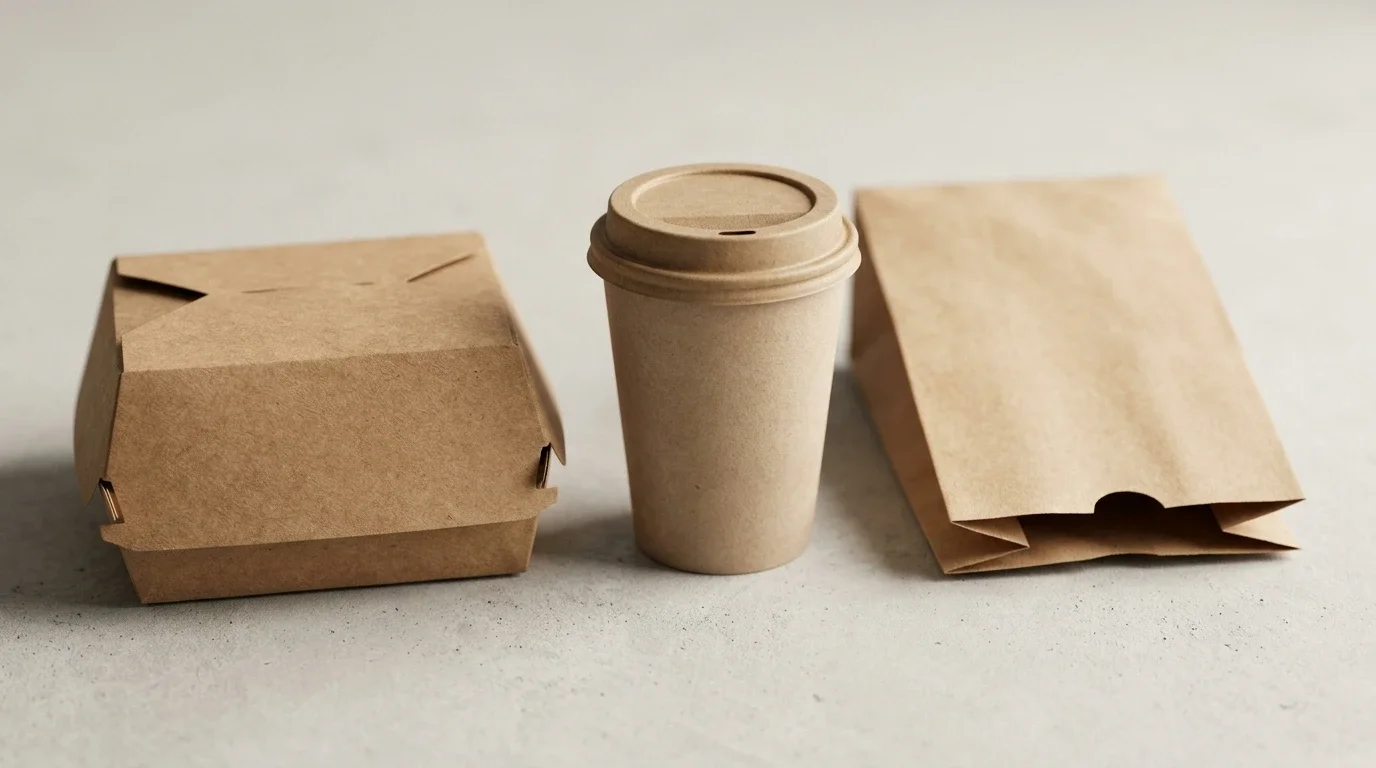
Recyclable, Compostable or Biodegradable Packaging: What the Labels Actually Mean
Recyclable, compostable and biodegradable are not the same promise. Here is what each really means — and how to match the right one to how your packaging is actually used and binned.
Supplier audit at a packaging plant: what works remotely
A certificate tells you what you need not check again at a packaging supplier. It does not tell you whether the glass register is complete, whether a batch traces backwards in thirty minutes or who tells you when the board changes. What a remote audit covers, what you have to travel for, which self-assessment answers to verify and how an audit turns into a corrective action plan.